By Pradeep Kumar Madhogaria Foundry Tooling Strategist | 350+ Foundry Projects Across India | IIF National Council Member
Table of Contents
ToggleIntroduction: The Call You Should Never Have to Take
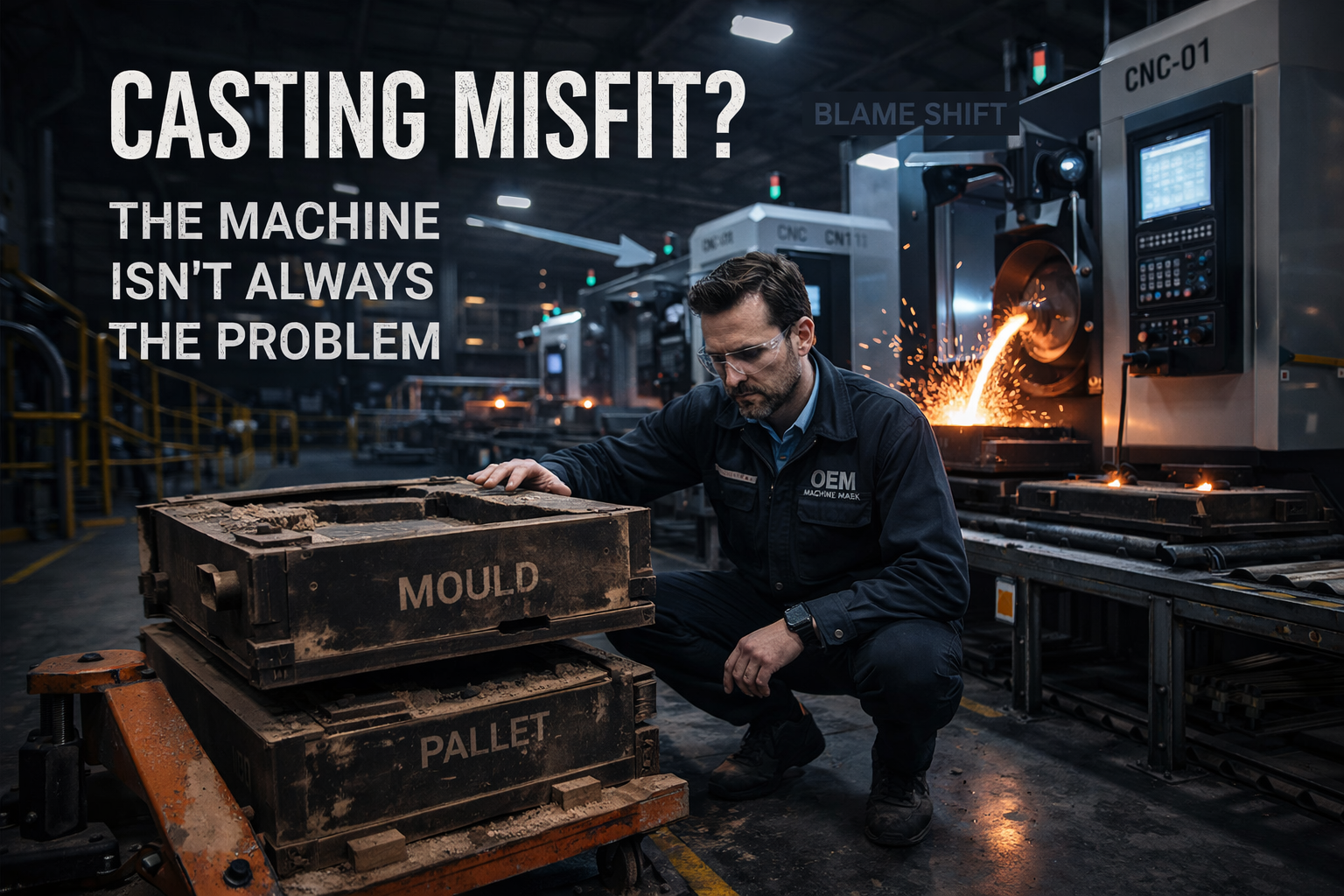
Picture this: a casting misfit occurs on the moulding line. Production stops. The foundry is in crisis mode. And the first call goes — not to the tooling vendor, not to the procurement team — but to you. The OEM machine maker.
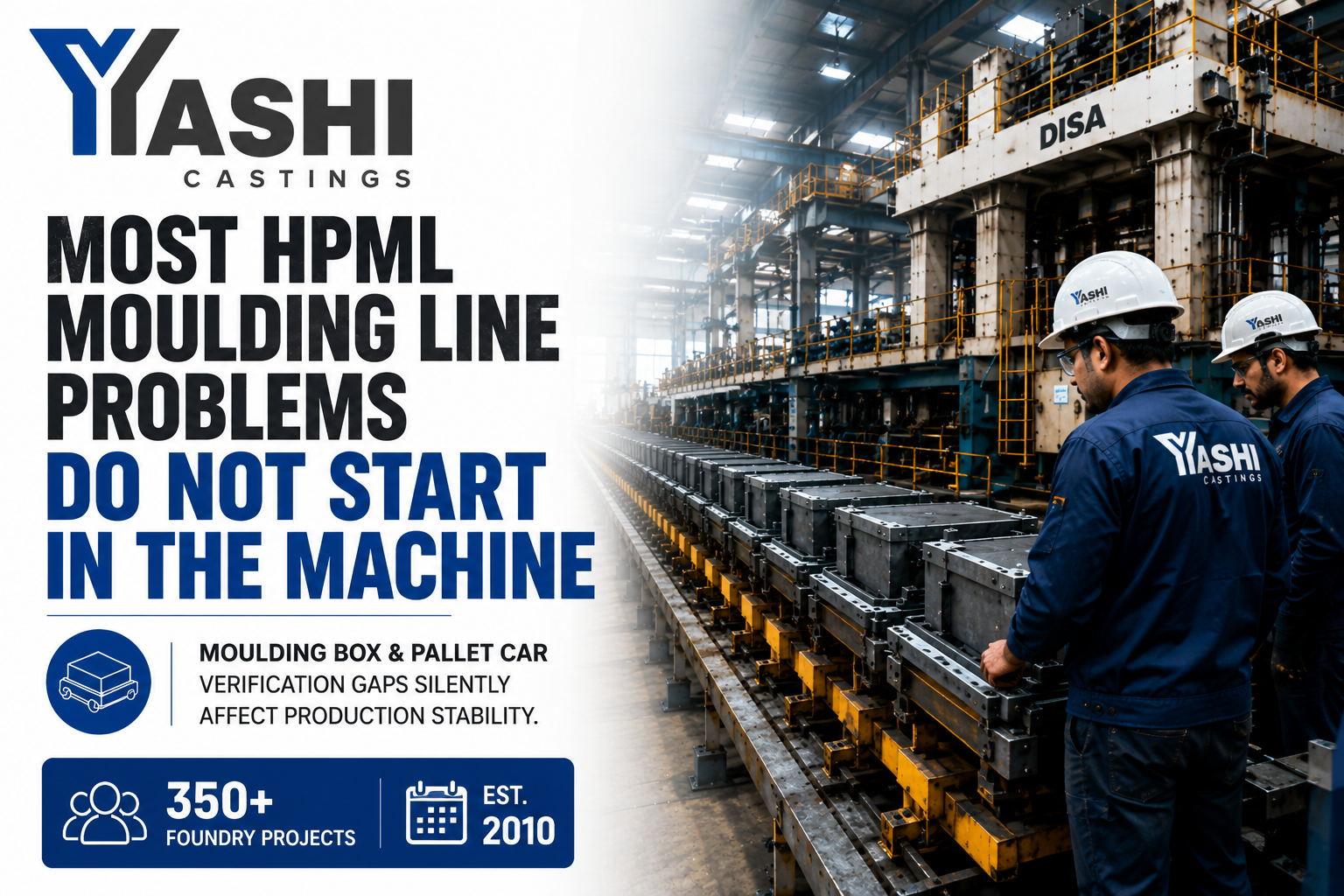
This happens every day across foundries running high-speed moulding lines. And in most cases, the machine performed exactly as designed. The real source of the OEM foundry tooling problem was built into the tooling long before the first sand was poured.
This article explains why casting misfits on moulding lines are so frequently misattributed to the machine — and what the most successful OEM machine manufacturers do differently to protect their reputation, their projects, and their commissioning timelines.
The Core Problem: Casting Misfits That Were Never Your Fault
When a casting misfit disrupts a moulding line, the immediate pressure falls on the most visible party — the OEM machine maker. Your equipment is on the floor. Your name is on the commissioning report. You become the default point of accountability.
But the actual causes of casting misfits frequently originate in the foundry tooling — not in the machine. The three most common hidden causes are:
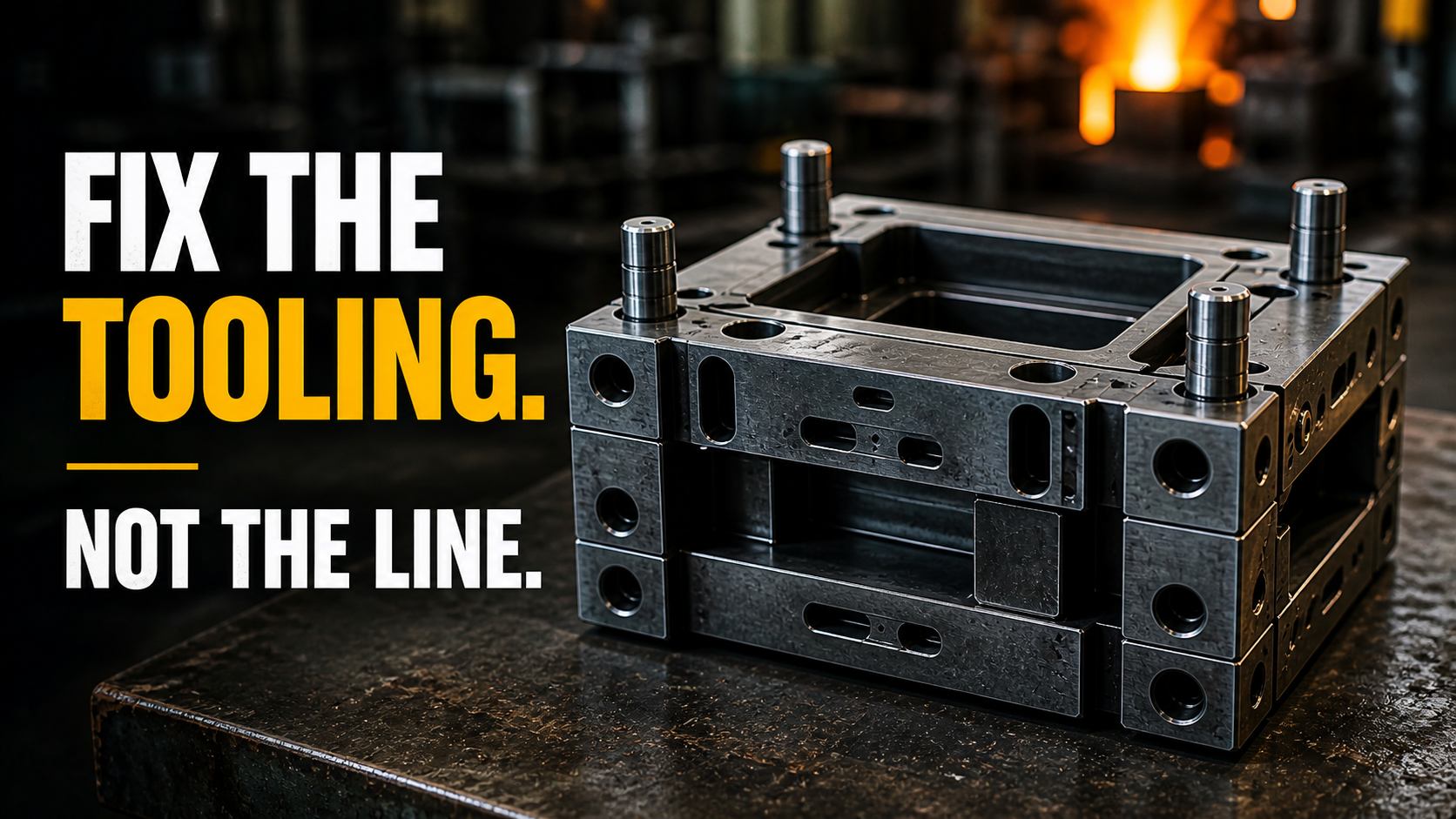
• A mould box that was dimensionally incorrect from the day it was manufactured — with flatness, parallelism, or squareness deviations that violate OEM drawing specifications
• A pallet car with unacceptable alignment with the Mould Handling System — never checked or qualified before being introduced to the moulding line
• Tooling defects that existed well before the machine was ever commissioned — problems inherited from a vendor who lacked the machining capability to meet the required tolerances
These are not edge cases. They represent a systematic pattern across foundry operations in India and globally — and they point to one root cause: the wrong tooling partner.
Quick Diagnosis: Casting Misfit Causes vs Real Source
| Issue Observed on Moulding Line | Actual Root Cause | Who Gets Blamed |
| Dimensional mismatch in casting | Incorrect mould box (flatness / parallelism error) | OEM Machine Maker |
| Uneven mould movement | Pallet car misalignment | OEM Machine Maker |
| Repeated casting defects | Poor machining of tooling | OEM Machine Maker |
| Line instability during production | Tooling not aligned with OEM specs | OEM Machine Maker |
Why This Problem Happens: Three Root Causes
1. Tooling Is Treated as a Procurement Afterthought
In the majority of moulding line projects, foundry tooling — including precision mould boxes and pallet cars — is procured separately from the machine specification. Foundry procurement teams often select vendors based on price or lead time alone, without validating whether the vendor’s machining capability meets the OEM’s dimensional requirements.
The result: tooling that looks acceptable on paper but introduces dimensional errors that the machine — and ultimately the casting — cannot compensate for.
2. Machining Precision Is Not Verified Against OEM Drawings
Achieving the flatness, parallelism, and concentricity required by high-speed moulding lines demands specialist equipment: CNC Double Column Machine Centers, Vertical Milling Centers (VMCs), and Plano Millers. It also requires the metallurgical consistency that comes from casting in FG-260 cast iron poured through an Induction Furnace.
When vendors lack either the equipment or the process discipline to meet these standards, dimensional errors are locked into the casting tooling before it reaches the foundry floor.
3. No Pre-Specified Trusted Tooling Vendor
When OEM machine makers do not specify their preferred tooling partner as part of the project scope, the decision defaults to the foundry or its procurement function. Without OEM-level technical guidance, the selection criteria shift from quality to cost — and the machine maker is left carrying responsibility for problems they did not cause.
Impact on Industry: What Is Really at Stake
Production Loss
A casting misfit caused by out-of-spec tooling does not just create one rejected part. It disrupts the entire moulding cycle, triggers unplanned stoppages, and forces manual intervention to diagnose a problem rooted in a dimension — not in the machine’s operation. Every hour of downtime represents direct cost to the foundry and indirect cost to the OEM in investigation time and on-site support.
Cost Impact
OEM machine makers absorb significant hidden costs from tooling-related casting defects: engineering investigation hours, unplanned site visits, replacement parts procured to rule out machine faults, and delayed commissioning sign-offs. These costs are rarely recovered — they are absorbed as a cost of the relationship.
Reputation Damage
This is the most serious long-term consequence. In the B2B manufacturing world, project references are the foundation of new business. When a commissioning is delayed or a moulding line underperforms — for any reason — the OEM machine maker’s name is attached to the outcome.
Your system gets blamed. Your name gets questioned. Your next project reference is at risk.
This is the silent reputation crisis most OEM machine makers never talk about but quietly live with.
Deeper Insight: What the Best OEM Machine Makers Do Differently
The OEM machine manufacturers who consistently protect their reputation share a common discipline. They take control of the tooling variable before the project begins, rather than inheriting someone else’s vendor decision after problems emerge.
They Specify Their Trusted Tooling Partner Upfront
The most effective OEM machine makers include their preferred tooling vendor as part of the formal project specification — the same way they specify the machine model, the line speed, or the moulding process. By naming their trusted partner before a purchase order is raised, they ensure the critical interface between machine and tooling is controlled from day one.
They Demand Machining to Exact OEM Drawings — No Interpretation
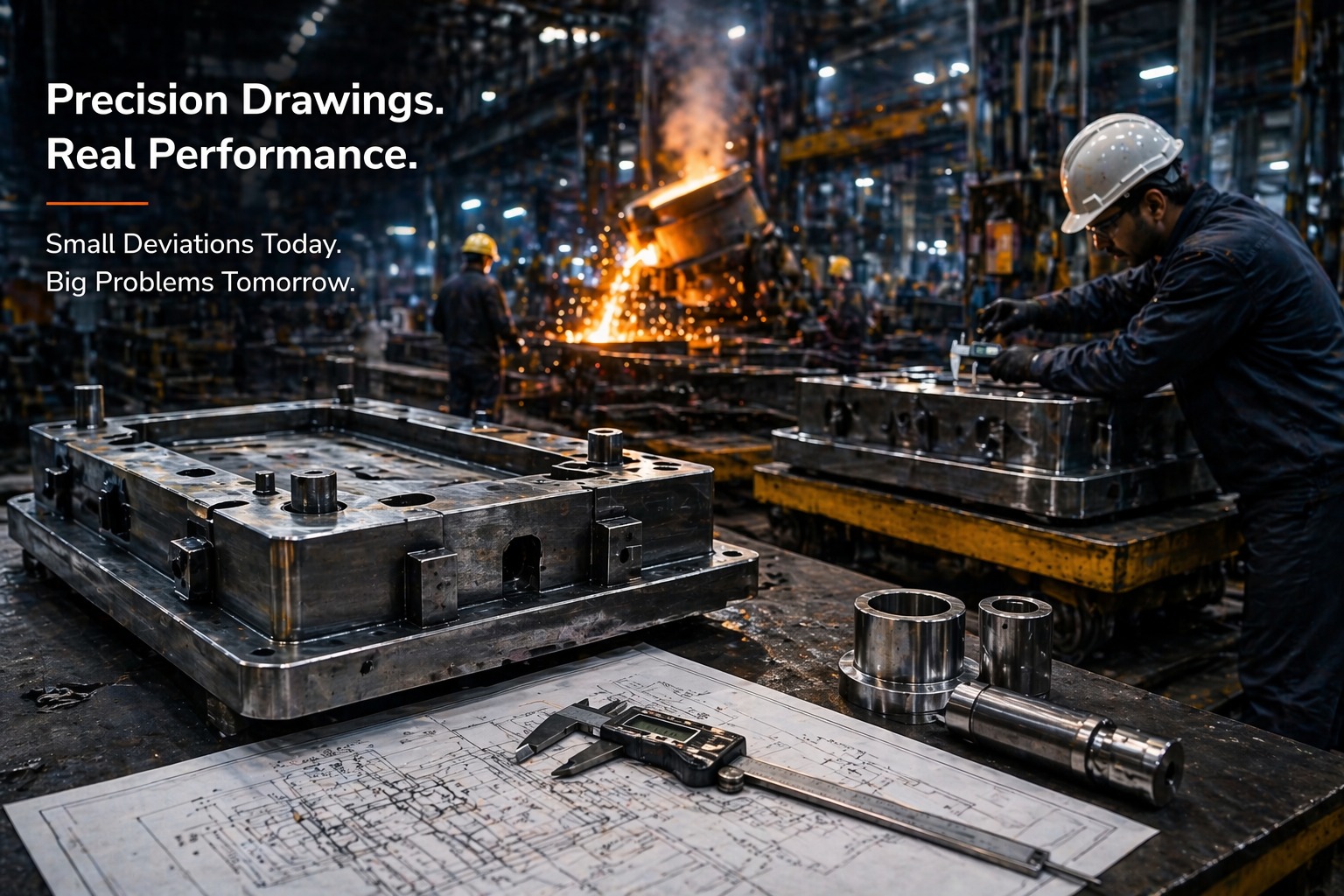
Every tolerance and surface finish in an OEM drawing is there for a reason. Machine makers who insist on strict drawing compliance — and work only with vendors who have the CNC machining capability to achieve it — eliminate the single largest variable in moulding line performance: dimensional inconsistency in the tooling.
They Choose Vendors with a Proven Delivery Track Record
Commissioning timelines in foundry projects are tight. A tooling delay of even a few days cascades into delayed trials, delayed handovers, and delayed payments. OEM machine makers who partner with vendors carrying a documented record of on-time delivery across multiple foundry projects protect their commissioning schedule — and their professional credibility.
Practical Takeaways for OEM Machine Makers and Foundry Engineers
✅ Add tooling vendor specification to your project checklist — Include tooling partner selection as a formal line item before the project is confirmed.
✅ Verify material and machining standards — Confirm FG-260 cast iron, Induction Furnace pour, and CNC/VMC/Plano Miller finishing — not just a quoted price.
✅ Make flatness, parallelism, and concentricity non-negotiable — Require dimensional inspection reports from the tooling vendor before delivery.
✅ Build a pre-qualified tooling vendor list — Maintain a shortlist of vendors with documented project histories so the decision is fast — and right.
✅ For DISA, Sinto, Koyo, Rhino or Savelli lines specifically — Ensure your tooling partner has demonstrable experience with the dimensional and weight tolerances these lines demand.
Yashi Castings: Precision Foundry Tooling Built to OEM Standards
At Yashi Castings, every component — from mould boxes to pallet cars — is manufactured to the OEM’s exact drawings. There are no shortcuts, no interpretations, and no dimensional compromises.
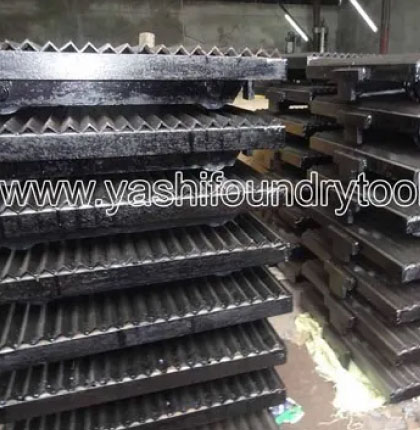
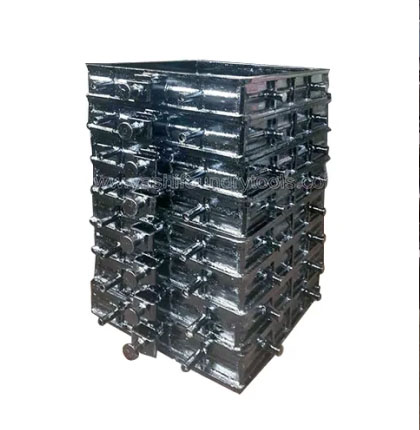
Our precision mould boxes are cast from FG-260 iron, Induction Furnace poured, and finished on CNC Double Column Machine Centers and VMCs for perfect flatness and parallelism.
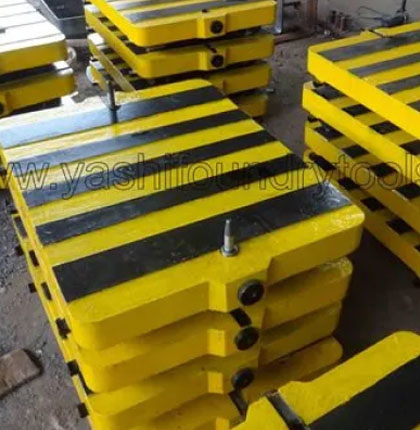
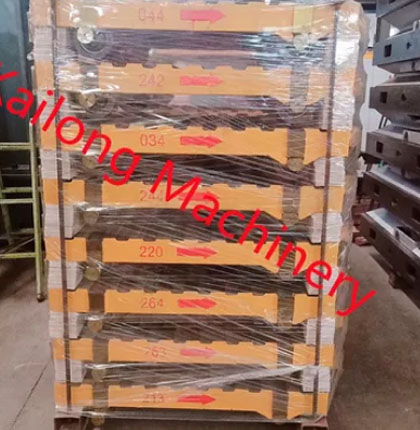
Our foundry pallet cars are machined to exact weight and dimensional specifications — so pallet car variation is never the cause of a moulding line issue.
Built to your drawings. Delivered on time. Backed by 300+ foundry projects across India.
Further Reading
1. Foundry Gate Foundry Technology Resources — An industry portal covering tooling standards, moulding line processes, and casting defect classification.
2. Institute of Indian Foundrymen (IIF) — The premier foundry industry body in India, providing standards, technical papers, and industry benchmarks.
Conclusion: Stop Being the Scapegoat — Become the Savior
The casting misfit problem on moulding lines is a real, recurring, and largely preventable industry issue. For OEM machine makers, it represents a silent reputation risk that most absorb quietly — even though the root cause lies not in their equipment but in the tooling supplied by the wrong vendor.
The shift is straightforward: specify your trusted tooling partner before the project begins, demand machining to exact OEM drawings, and work only with vendors who have a proven track record.
When the tooling partner is right, the moulding line performs as designed. Commissioning goes smoothly. The foundry credits the outcome to the machine maker’s professionalism.
You stop being the scapegoat. You become the savior.
Working on a DISA, Sinto, or Savelli line? Let’s talk.
Or
Contact Us – Click Here