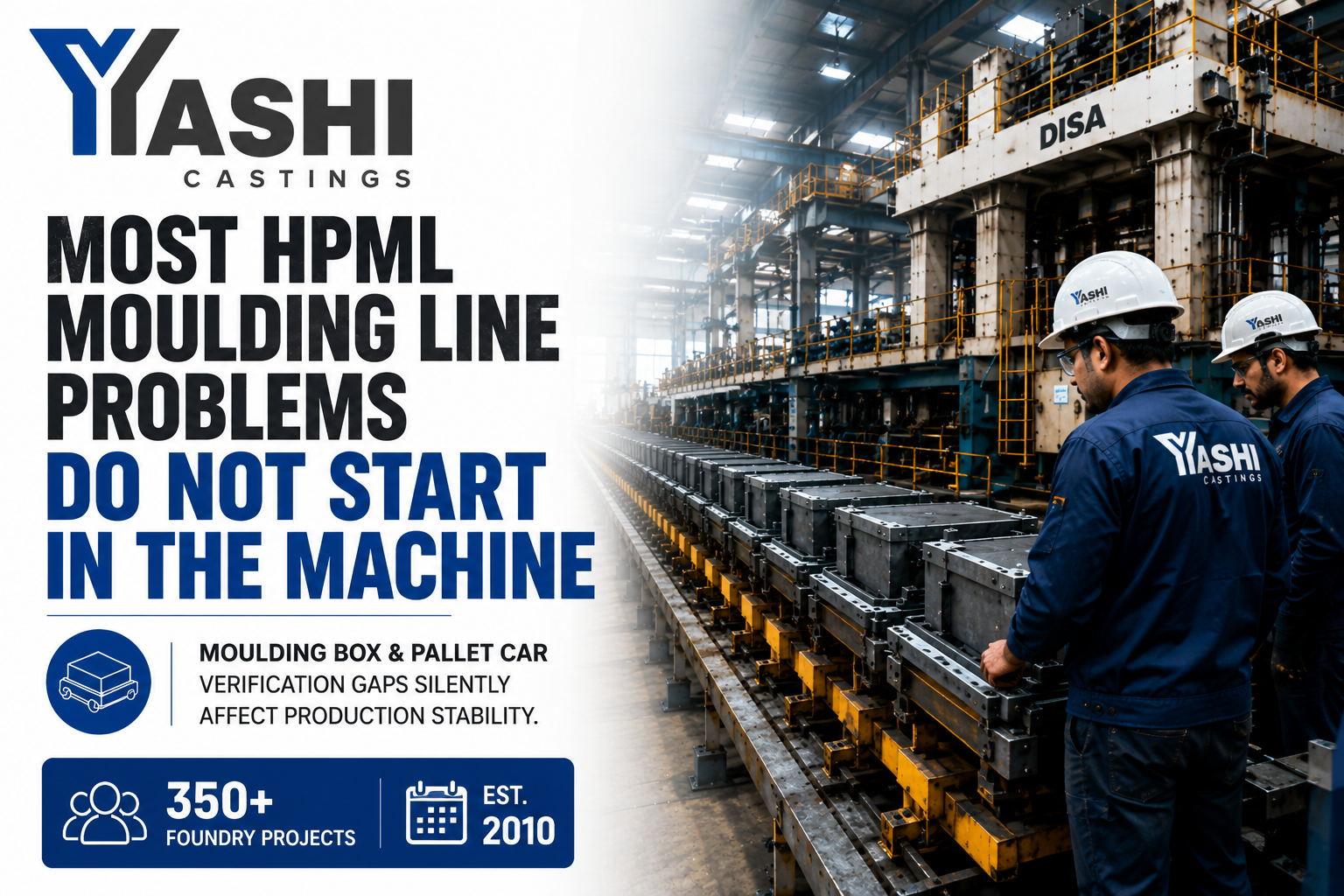
In many foundries, whenever production instability appears, the first reaction is usually:
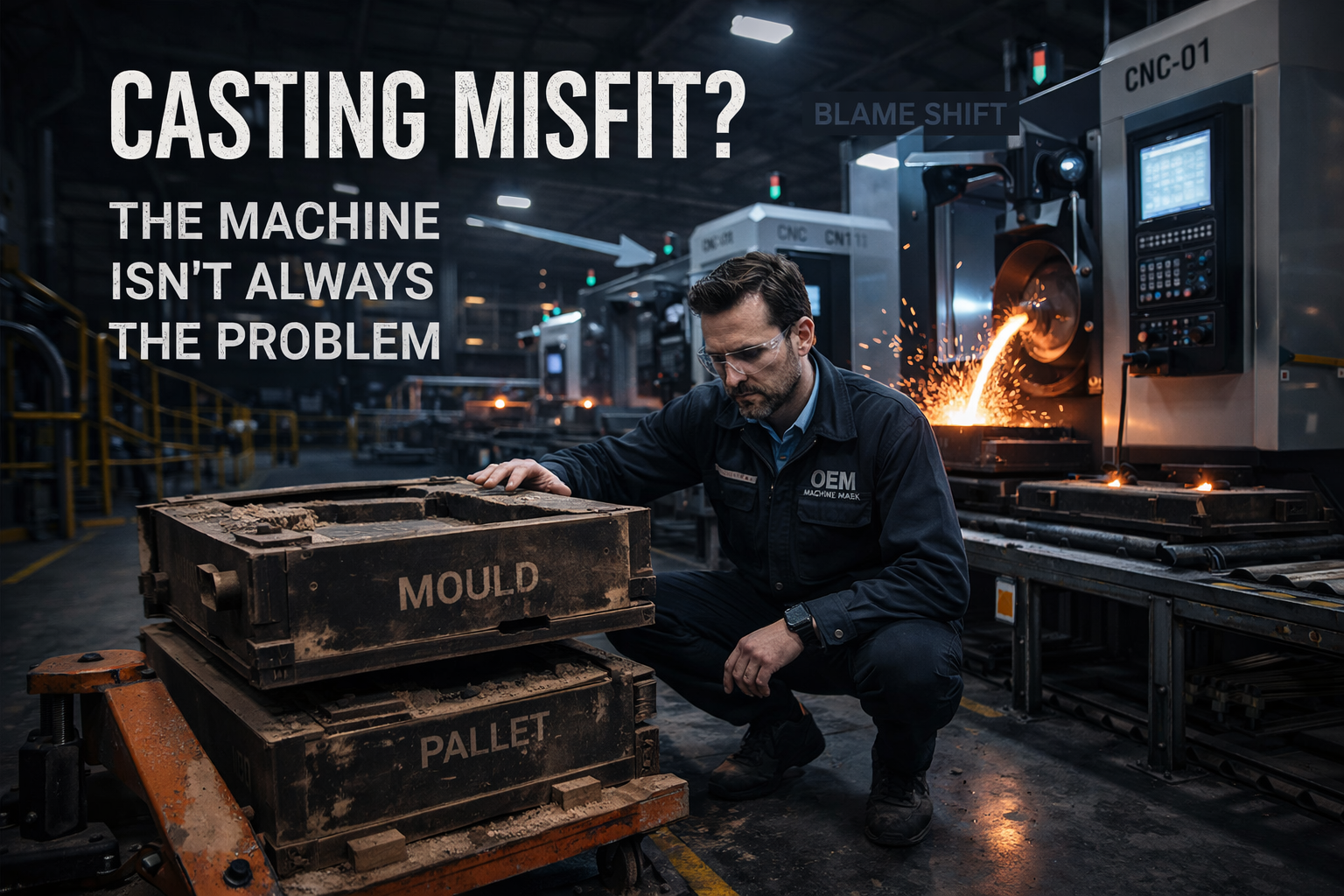
“The moulding machine has a problem.”
However, after working on multiple HPML projects involving DISA, Sinto, Savelli, KW, Rhino, and Belloi systems, one important reality becomes very clear:
Most HPML moulding line problems do not actually start inside the machine.
They begin much earlier in the production system.
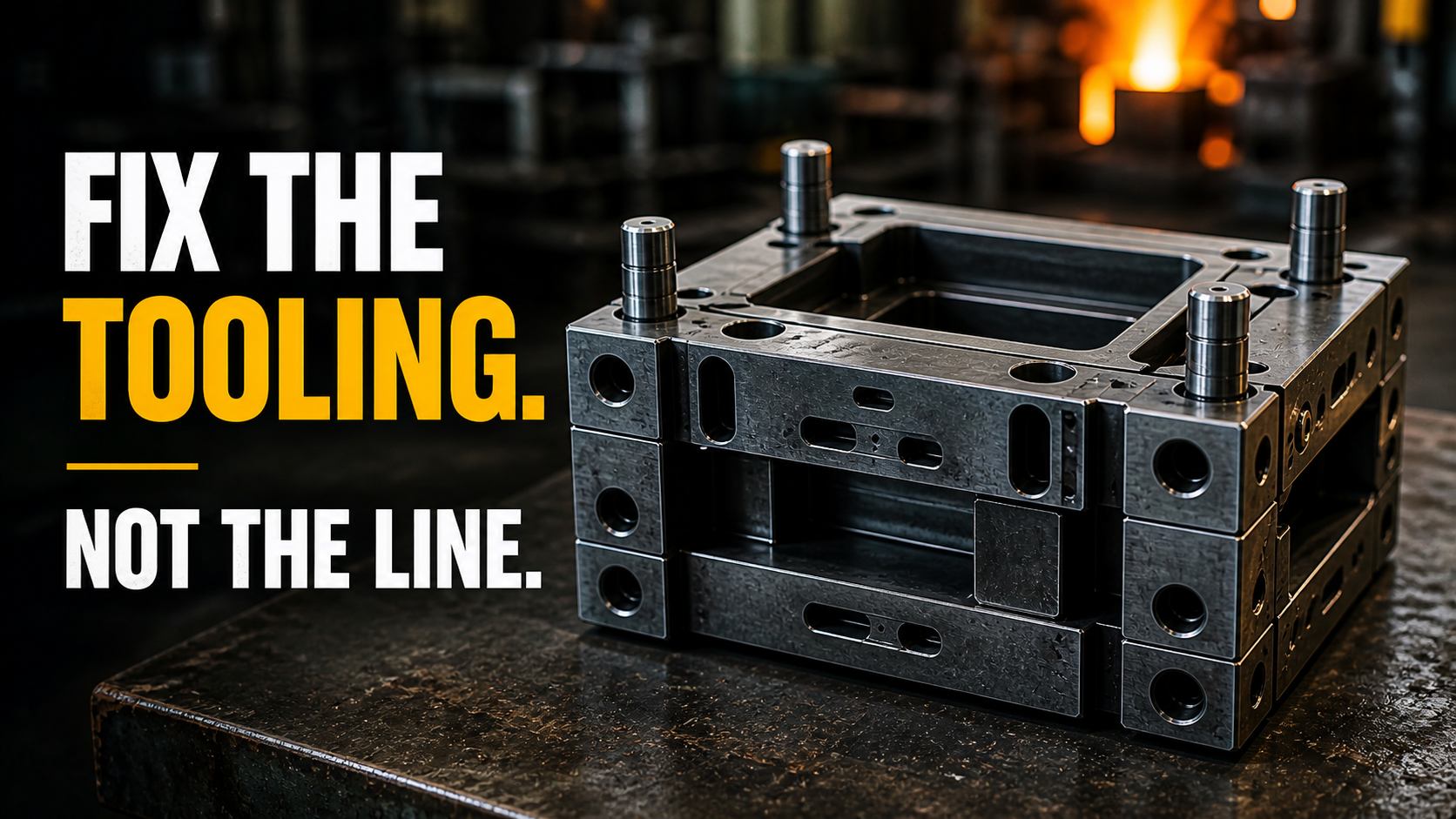
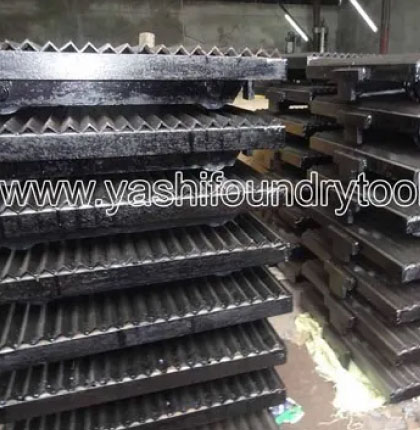
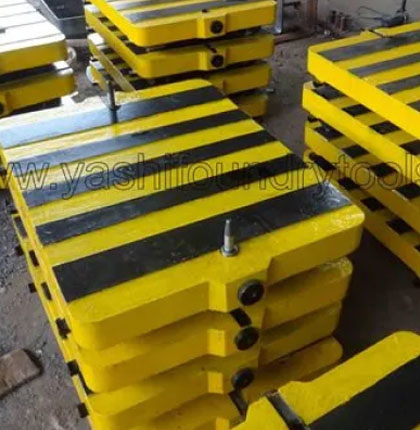
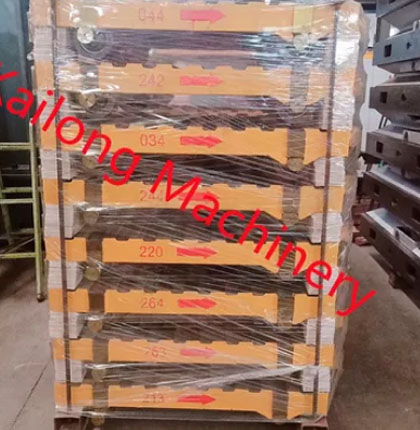
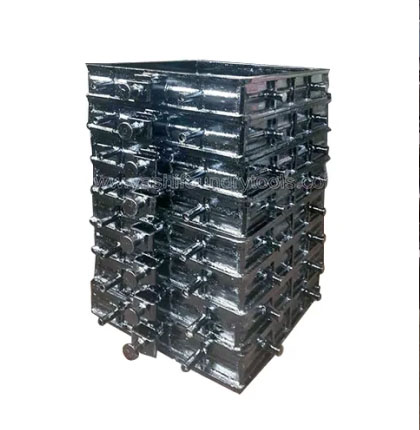
In many cases, the real root cause is hidden inside moulding boxes and pallet cars that were never properly verified during commissioning or routine operation.
This is one of the most overlooked causes of HPML moulding line problems in modern foundry automation systems.
For foundries planning new installations or improving first-time production success, read this detailed case study:
👉 HPML Foundry Tooling Case Study – Enabling a Successful First Pour
Table of Contents
ToggleWhy HPML Moulding Line Problems Continue Even After Machine Adjustments
Many foundries spend significant time adjusting machine-related parameters such as:
• Sand properties
• Hydraulic pressure
• Squeeze force
• PLC settings
• Alignment systems
• Machine calibration
Yet the production instability continues.
Why does this happen?
Because even the most advanced automatic moulding machine cannot perform accurately if the mechanical foundation of the moulding line is unstable.
When moulding boxes or pallet cars develop dimensional variation, distortion, wear, or alignment mismatch, the machine continuously struggles to compensate for those inaccuracies.
Over time, this creates several common HPML moulding line problems, including:
• Flash defects
• Mismatch issues
• Sand leakage
• Core shifting
• Uneven mould closing
• Increased rejection rates
• Frequent production stoppages
Eventually, the machine itself gets blamed, while the actual issue remains unnoticed.
The Hidden Role of Moulding Boxes in HPML Moulding Line Problems
One major reason behind recurring HPML moulding line problems is improper moulding box verification.
In many foundries, moulding boxes are accepted without detailed dimensional inspection or preventive verification.
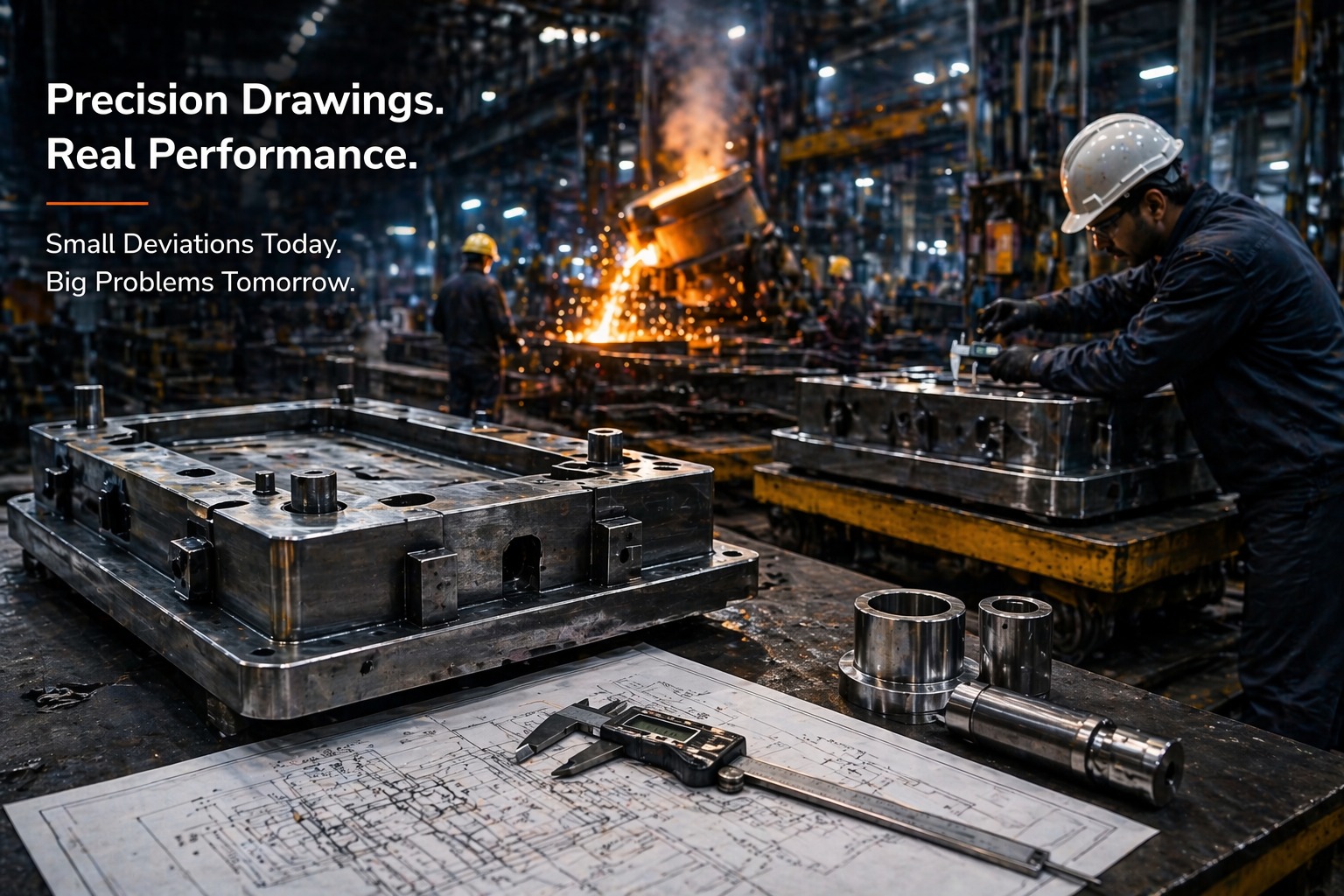
However, even small dimensional deviations can create serious production instability in high-speed moulding lines.
Critical verification areas include:
1. Parallelism
Improper parallelism creates uneven mould closing pressure, directly affecting mould integrity and casting accuracy.
2. Flatness
Uneven moulding box surfaces lead to mismatch defects and sand leakage during mould assembly.
3. Pin Bush Alignment
Misaligned pin bushes create repetitive positioning errors throughout the moulding line process.
4. Wear Conditions
Excessive wear gradually changes dimensional accuracy, especially in automatic moulding systems operating at high production speeds.
Proper moulding box verification is essential to reduce long-term HPML moulding line problems.
Why Pallet Cars Become a Major Source of Production Instability
Another hidden contributor to HPML moulding line problems is poor pallet car condition.
Pallet cars continuously travel through:
• Cooling zones
• Shakeout systems
• Transfer stations
• Return loops
Over time, thermal stress and mechanical loading create distortion, vibration, and alignment variation.
If pallet cars are not periodically inspected, the entire mould handling system slowly becomes unstable.
Common pallet car-related issues include:
• Track misalignment
• Uneven movement
• Mould vibration
• Improper mould seating
• Conveyor synchronization problems
These issues gradually reduce production efficiency and casting quality without immediate warning signs.
Real Observations from HPML Foundry Projects
Across several HPML foundry installations, one repeated pattern is commonly observed:
The machine supplier completes commissioning successfully.
Initial production runs smoothly.
But after a few months:
• Rejection rates increase
• Alignment issues begin
• Operators make constant adjustments
• Maintenance dependency rises
• Productivity drops
When detailed inspection is finally performed, the actual issue is often traced back to:
• Worn moulding boxes
• Distorted pallet cars
• Improper machining tolerances
• Lack of periodic dimensional verification
This is why many HPML moulding line problems appear “mysterious,” even though the root cause is mechanical instability.
Why Preventive Verification Matters More Than Reactive Maintenance
Most foundries focus heavily on breakdown maintenance.
But modern automatic moulding lines require preventive dimensional verification to maintain long-term production stability.
This includes:
Regular Moulding Box Inspection
Periodic checking of:
•Flatness
•Parallelism
•Alignment
•Wear limits
Pallet Car Geometry Verification
Monitoring distortion before it affects mould handling and production stability.
OEM-Level Tolerance Control
Maintaining dimensional standards similar to original machine specifications helps reduce recurring HPML moulding line problems.
Preventive verification improves:
• Casting quality
• Production consistency
• Equipment reliability
• Operational efficiency
The Biggest Mistake Many Foundries Make
One of the biggest mistakes in foundry operations is assuming:
“If the machine is running, everything is fine.”
But HPML systems operate with high speed and high precision.
Even minor dimensional variation gradually creates cumulative instability across the moulding line.
Because the issue develops slowly, it often remains unnoticed until rejection rates become severe and production losses increase.
This is why preventive inspection is critical for avoiding long-term HPML moulding line problems.
Final Thoughts
Modern foundries are becoming increasingly automated.
But automation only performs effectively when the mechanical ecosystem supporting the machine is equally precise.
From practical project experience, one conclusion stands out clearly:
Most HPML moulding line problems do not start in the machine.
They start with unnoticed verification failures in moulding boxes and pallet cars.
Foundries that focus on:
• Moulding box accuracy
• Pallet car inspection
• Preventive dimensional verification
• Mechanical precision maintenance
usually achieve:
• Better casting quality
• Lower rejection rates
• Stable production
• Reduced downtime
• Longer equipment life
And ultimately, more reliable and efficient foundry operations.
Frequently Asked Questions (FAQs)
What are the common HPML moulding line problems?
Common HPML moulding line problems include mismatch defects, sand leakage, mould instability, pallet car misalignment, uneven mould closing, and repetitive production stoppages.
Why do moulding boxes affect HPML line performance?
Moulding boxes directly influence mould alignment, mould closing accuracy, and dimensional stability. Even small deviations can create major casting defects and production instability.
How often should pallet cars be inspected?
Pallet cars should be inspected periodically based on production load, thermal exposure, operating conditions, and maintenance schedules to avoid distortion-related instability.
Can machine settings alone solve HPML moulding line problems?
No. Machine settings may provide temporary correction, but long-term stability requires proper verification of moulding boxes, pallet cars, alignment systems, and mechanical tolerances.
Why is preventive verification important in automatic moulding lines?
Preventive verification helps identify dimensional inaccuracies before they create major production losses, rejection issues, or machine instability.
Conclusion
If your foundry is facing recurring HPML moulding line problems, the solution may not be inside the PLC, hydraulic system, or machine settings.
The real issue could be hidden in unnoticed mechanical inaccuracies within moulding boxes and pallet cars.
Identifying these issues early through proper verification and preventive inspection can prevent major production losses and improve long-term foundry performance.
Need Expert Support for HPML Foundry Tooling & Line Stability?
Improve your moulding line performance with precision-engineered moulding boxes, pallet cars, and preventive verification solutions.
✅ Reduce rejection rates
✅ Improve mould alignment accuracy
✅ Increase production stability
✅ Extend equipment life
📞 Contact Yashi Castings today to discuss your HPML foundry requirements and optimize your production efficiency.L foundry requirements and optimize your production efficiency.
Write us- sales@yashicastings.com
+91 8981104730