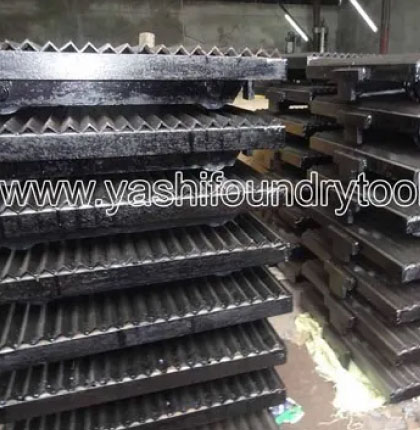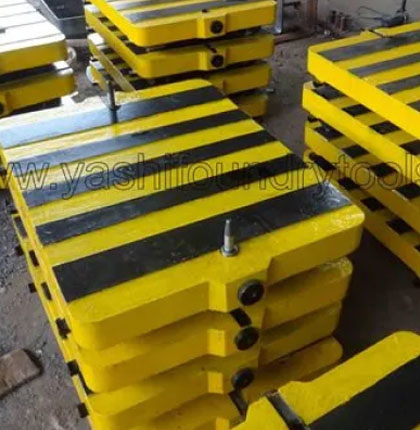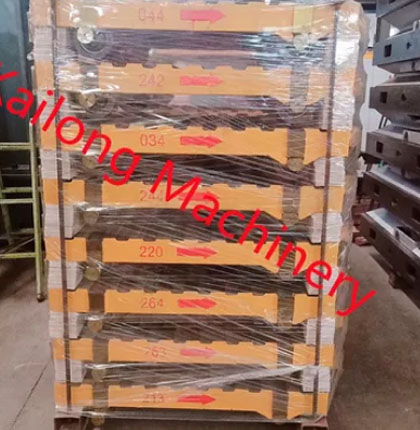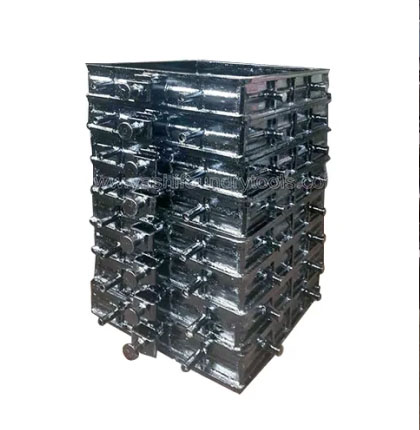
And How to Avoid Them in Your Moulding Line
Table of Contents
ToggleIntroduction
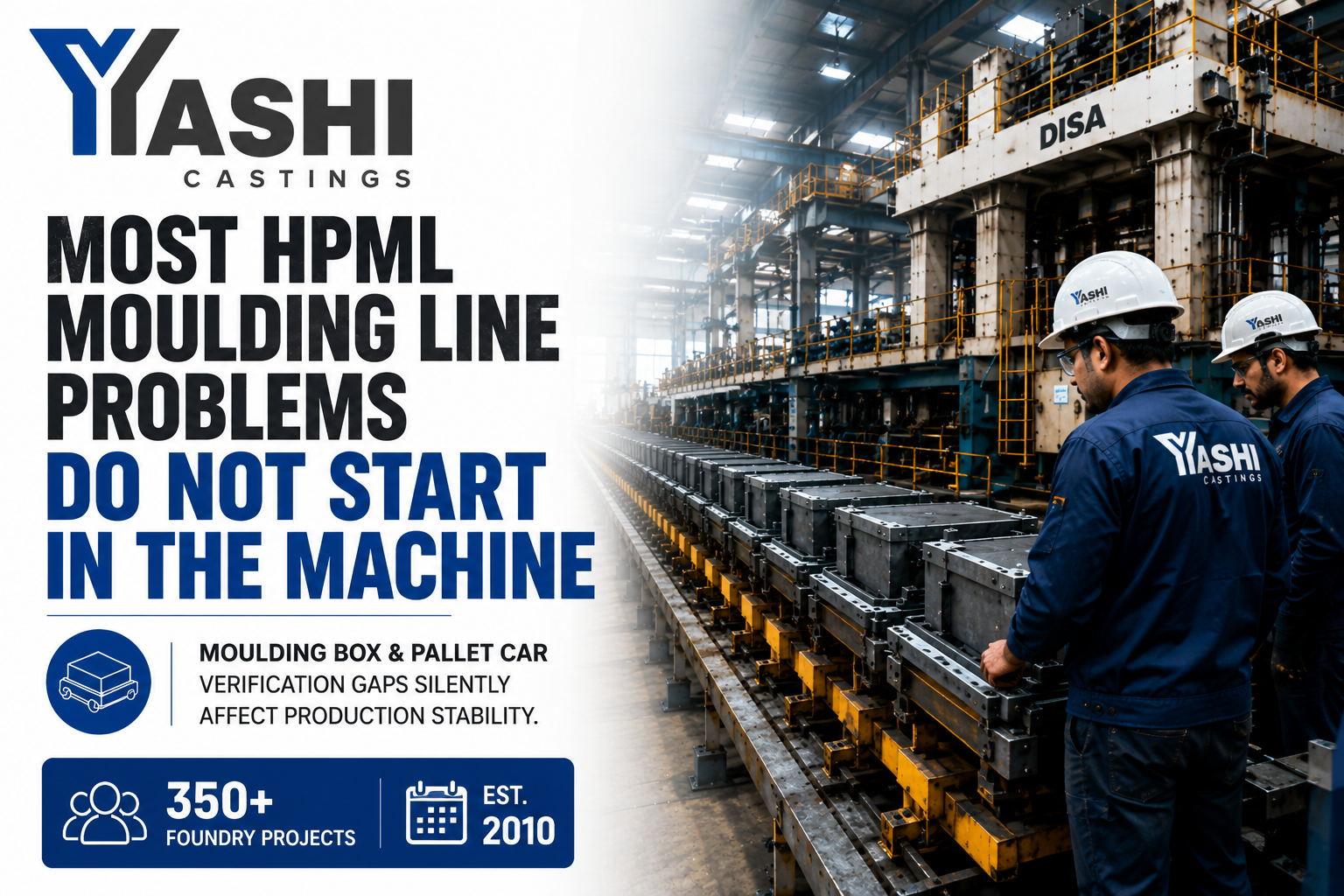
In modern foundry operations, most production failures are not sudden.
They begin much earlier — during decisions made in tooling manufacturing.
Many recurring foundry tooling problems are created long before production starts. Small compromises during the manufacturing of mould boxes and pallet cars often remain unnoticed at dispatch but later create serious operational issues on the moulding line.
High-quality foundry tooling plays a critical role in ensuring:
• Consistent casting quality
• Repeatable production performance
• Reduced rejection rates
• Higher productivity in moulding lines
However, when shortcuts are taken during tooling manufacturing, these foundry tooling problems begin affecting alignment, repeatability, casting quality, and machine performance.
Understanding these hidden tooling risks is essential for improving moulding line stability and reducing long-term production losses.
The 5 Most Common Foundry Tooling Problems
1. Material Downgrade
One of the most common foundry tooling problems
Replacing specified materials like FG-260 with lower-grade alternatives may reduce initial cost but eventually leads to serious foundry tooling problems such as:
• Faster wear
• Loss of dimensional stability
• Reduced tooling life
• Higher maintenance frequency
Over time, these material compromises directly affect casting quality and production consistency.
In many foundries, tooling may look acceptable externally, but incorrect material selection slowly creates instability across the moulding process.
2. Pin Center Inaccuracy
A hidden source of moulding line instability
One of the most overlooked foundry tooling problems is inaccurate pin centre machining.
Even slight deviations in pin centre alignment — though technically “within tolerance” — can cause the following:
• Mismatch between cope and drag
• Repeated manual adjustments
• Alignment issues
• Increased rejection rates
Precision in pin center distance is critical for repeatable moulding operations.
Most moulding line instability begins when tooling alignment is not maintained accurately.
3. Bush Hardness Compromise
A long-term foundry tooling problem
Bushes play a critical role in maintaining alignment over repeated production cycles.
If bush hardness is compromised:
• Wear increases rapidly
• Alignment deteriorates over time
• Repeatability reduces
• Casting consistency suffers
This becomes a recurring foundry tooling problem because wear gradually increases internal clearances and affects dimensional accuracy during production.
Proper material selection, hardening, and grinding are essential for long-term tooling performance.
4. Flange Finishing Skipped
Visual flatness is not precision machining
Another major cause of foundry tooling problems is improper flange machining.
Flanges may appear visually flat, but without proper machining,
• Mould boxes do not seat correctly
• Uneven closure occurs
• Flash generation increases
• Process instability develops
Flatness and parallelism must be achieved through precision machining — not visual inspection.
This is especially important for semi-automatic and automatic moulding lines where repeatability is critical.
5. Conventional Machining Instead of CNC
A major reason behind recurring foundry tooling problems
Replacing CNC processes with conventional machining to reduce cost often results in:
• Lower dimensional accuracy
• Accumulated machining errors
• Inconsistent repeatability
• Difficult troubleshooting during production
Modern foundry operations require CNC precision machining to avoid recurring foundry tooling problems on the moulding line.
CNC machining ensures the following:
• Consistency
• Repeatability
• Dimensional control
• Long-term stability
Why These Foundry Tooling Problems Matter
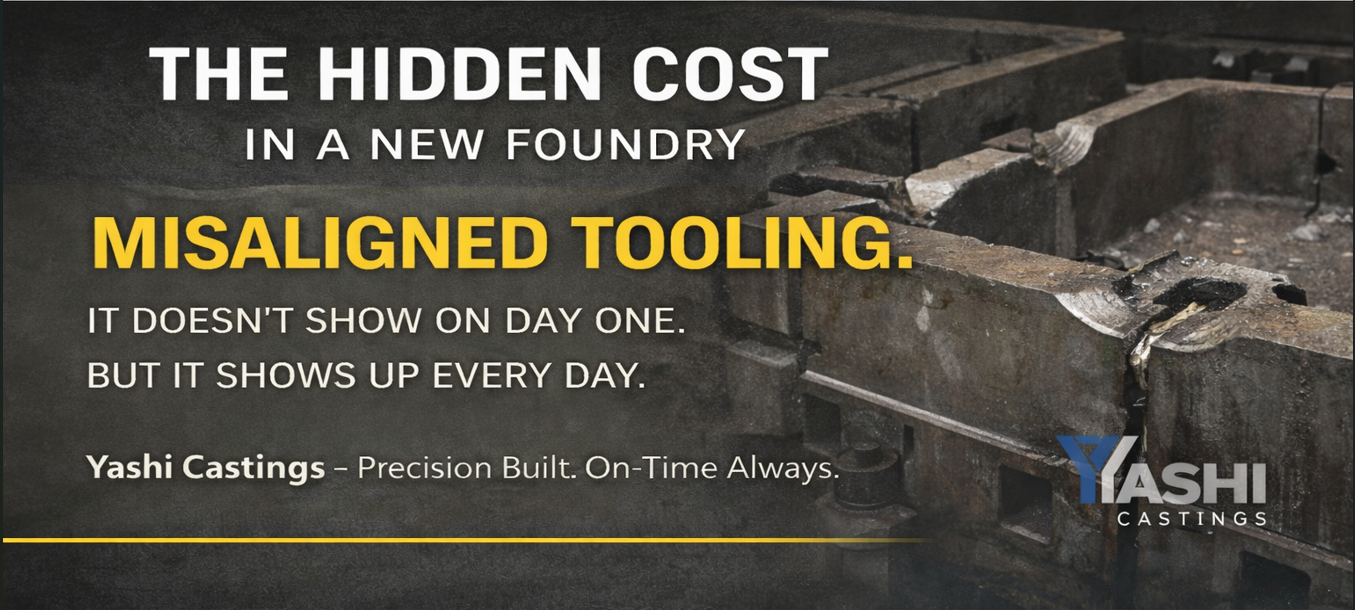
Most foundry tooling problems are rarely visible during inspection or dispatch.
However, once production begins, it leads to the following:
• Increased rejection rates
• Unexpected moulding line stoppages
• Reduced productivity
• Frequent adjustments
• Machine performance issues
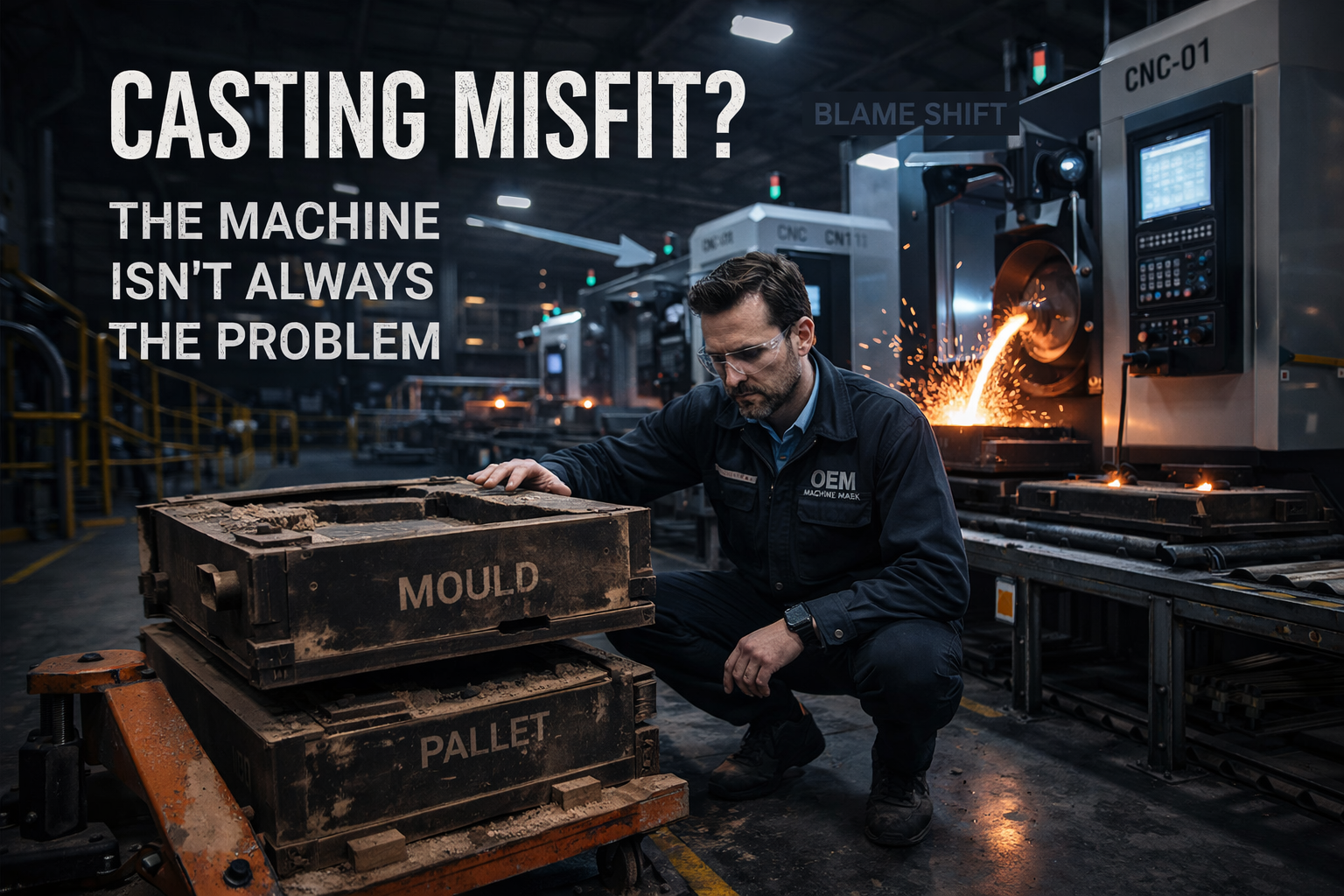
In many cases, the moulding machine gets blamed — while the actual root cause lies in the tooling itself.
This is why precision tooling manufacturing becomes critical for stable foundry operations.
The Real Insight
Precision in foundry tooling is not optional — it is essential.
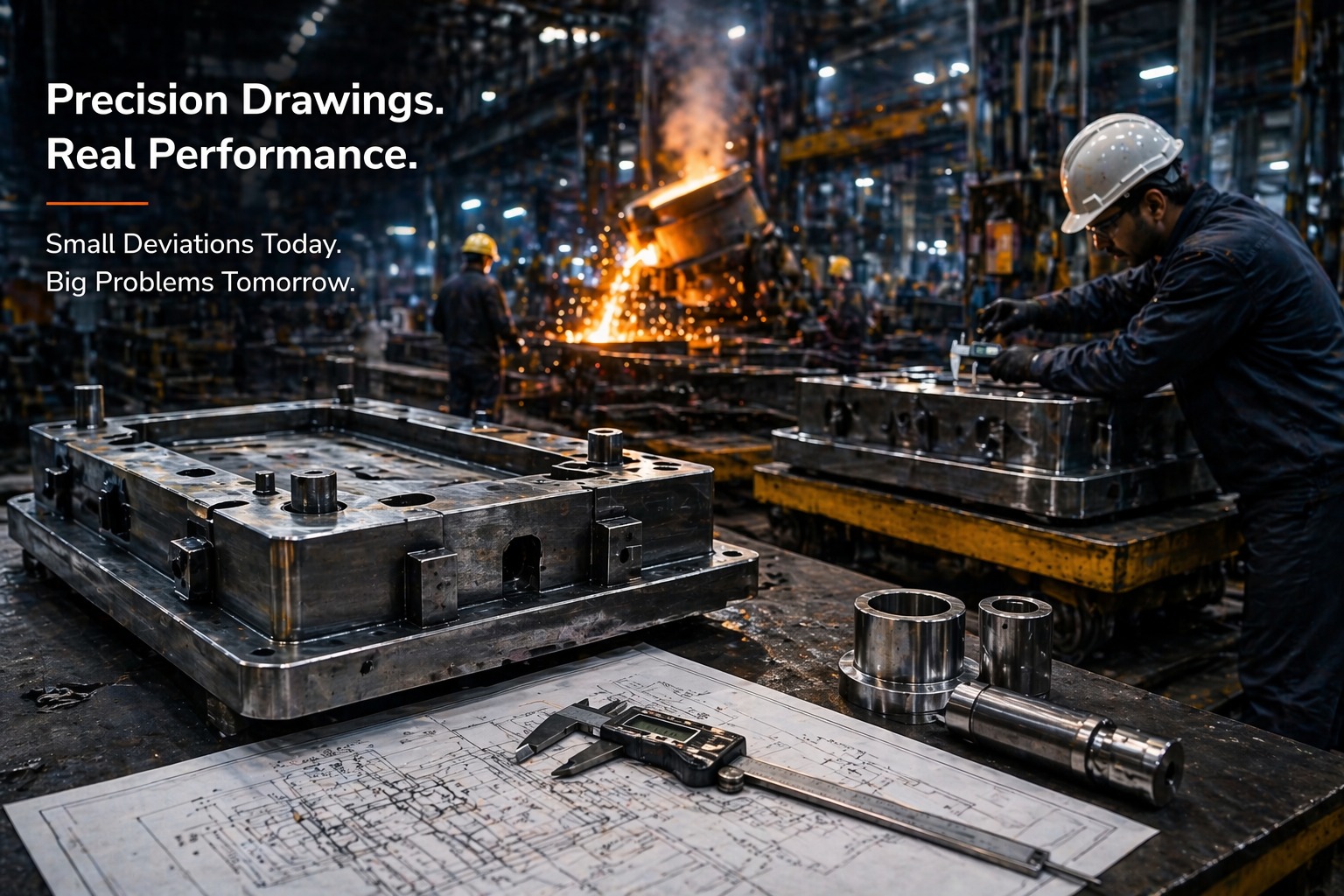
Every small deviation from:
• Drawing specifications
• Material standards
• Machining accuracy
creates long-term operational risk.
Over time, these small compromises become major foundry tooling problems that affect:
• Casting quality
• Production efficiency
• Machine stability
• Overall productivity
The cost of correction during production is always much higher than the cost of doing it correctly during manufacturing.
What You Should Check Before Finalizing Tooling
Before placing your next order for mould boxes or pallet cars, ensure:
✔ Strict adherence to drawings
✔ Correct material grade (FG-260 or specified)
✔ Accurate pin center machining
✔ Proper bush hardness and fitment
✔ CNC-based precision machining
✔ Fully machined flanges
A simple technical review before production can prevent major foundry tooling problems later on the moulding line.
Work With Confidence
At Yashi Castings, we manufacture high-precision foundry tooling strictly as per drawings — without shortcuts.
We focus on:
• Material integrity
• Precision machining
• Long-term durability
• Dimensional accuracy
• Consistent moulding line performance
If you have a requirement for mould boxes or pallet cars, share your drawing with us for a technical review before production.
Conclusion
Most production problems do not start on the moulding line.
They start much earlier — in the tooling.
Many recurring foundry tooling problems are the result of small compromises made during tooling manufacturing.
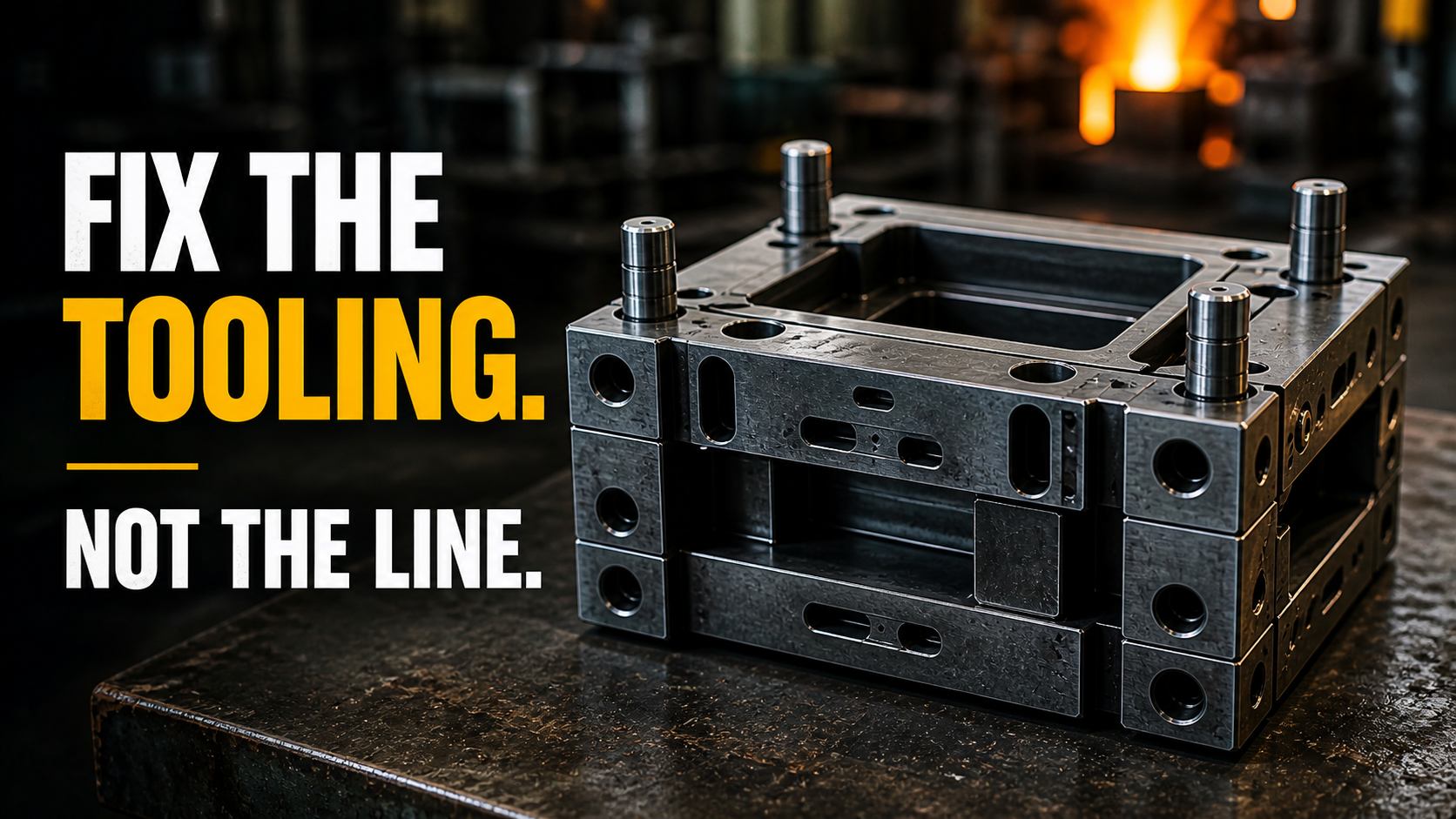
Don’t adjust the line.
Fix the tooling.
Before Finalizing Your Next Tooling Order
Share your drawing with us for a technical review and identify hidden risks before production begins.
📞 +91 8981107430
📧 sales@yashicastings.com
🌐 Yashi Castings
Frequently Asked Questions (FAQs)
1. What are foundry tooling problems?
Foundry tooling problems refer to issues in mould boxes, pallet cars, and tooling components that affect casting quality, alignment, repeatability, and production efficiency.
2. What causes foundry tooling problems?
Common causes include incorrect material grade, inaccurate pin center machining, poor bush hardness, improper flange finishing, and non-precision machining processes.
3. How does material downgrade affect foundry tooling?
Using lower-grade material instead of FG-260 leads to faster wear, dimensional instability, reduced tooling life, and higher rejection rates.
4. Why is pin center accuracy important in mould boxes?
Incorrect pin center alignment causes mismatch between cope and drag, resulting in defects, manual adjustments, and moulding instability.
5. Why is CNC machining important in foundry tooling?
CNC machining ensures precision, consistency, dimensional accuracy, and repeatability — essential for modern foundry operations.
6. Can foundry tooling problems be prevented before production?
Yes. A proper technical review and precision manufacturing process can identify and prevent most foundry tooling problems before they affect production