By Pradeep Kumar Madhogaria
Foundry Tooling Strategist | 350+ Foundry Projects Across India | IIF National Council Member
Table of Contents
ToggleWhen Planning a New Foundry, What Do Most Teams Focus On?
When entrepreneurs plan a new foundry, the first discussions almost always revolve around:
• How much land should we acquire?
• Which moulding machine should we invest in?
• What should the layout and infrastructure look like?
• What melting capacity is ideal?
These are all important decisions.
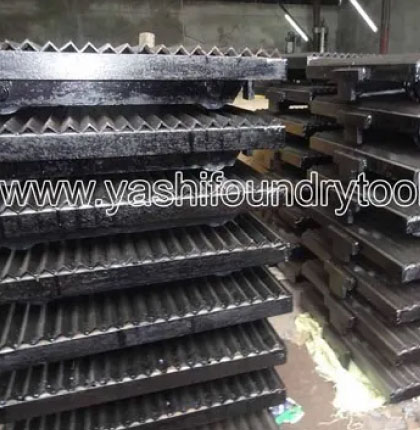
However, one critical element is often underestimated during the planning stage — precision tooling systems like mould boxes and pallet cars.
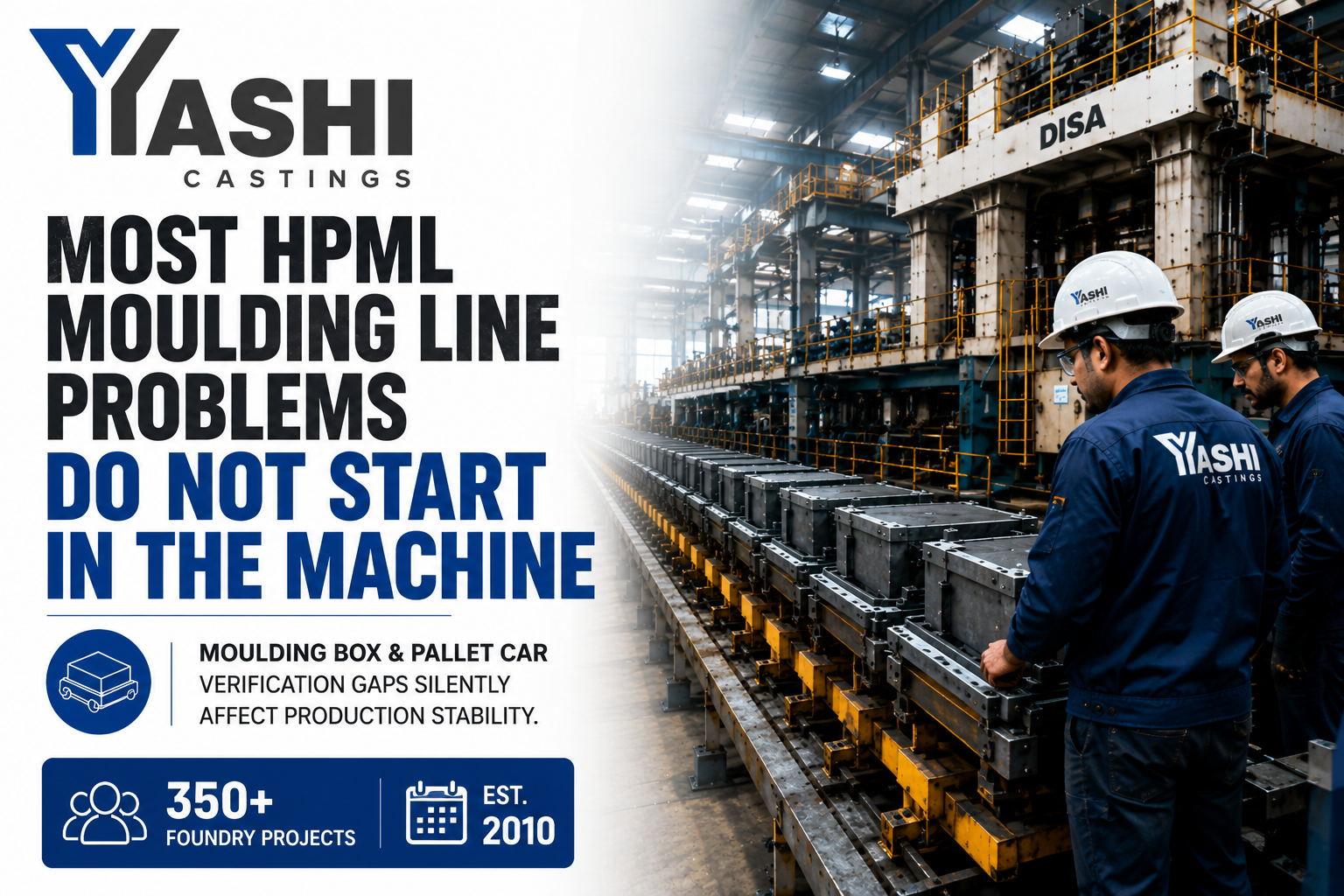
These components form the structural backbone of every moulding line, and even small issues related to misaligned tooling in foundry operations can affect long-term production stability.
You can explore these tooling systems here:
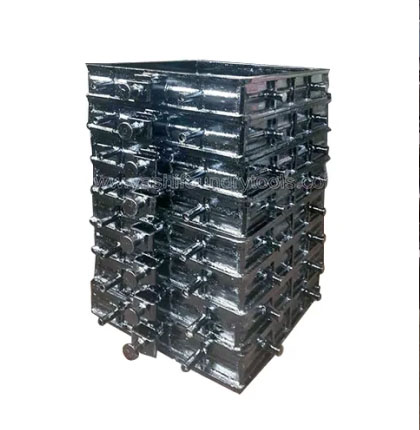
👉 Mould Boxes for Foundry Lines
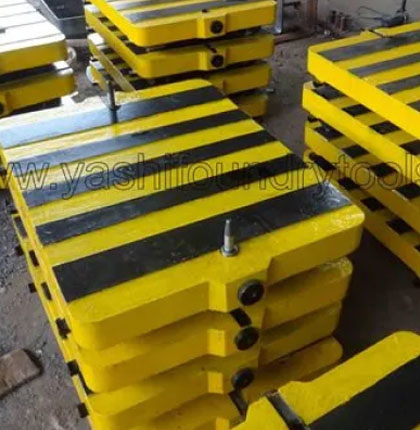
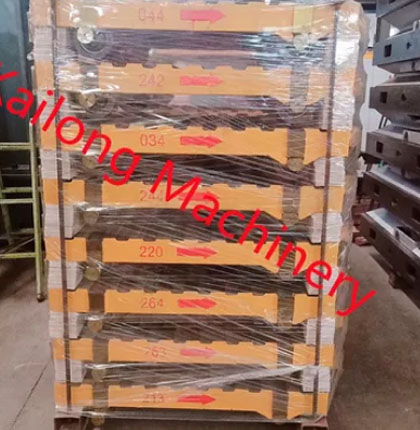
👉 Pallet Cars for Foundry Mould Handling Systems
When these systems are engineered precisely, the entire foundry line becomes stable, productive, and efficient.
But when alignment is compromised, hidden costs begin to accumulate.
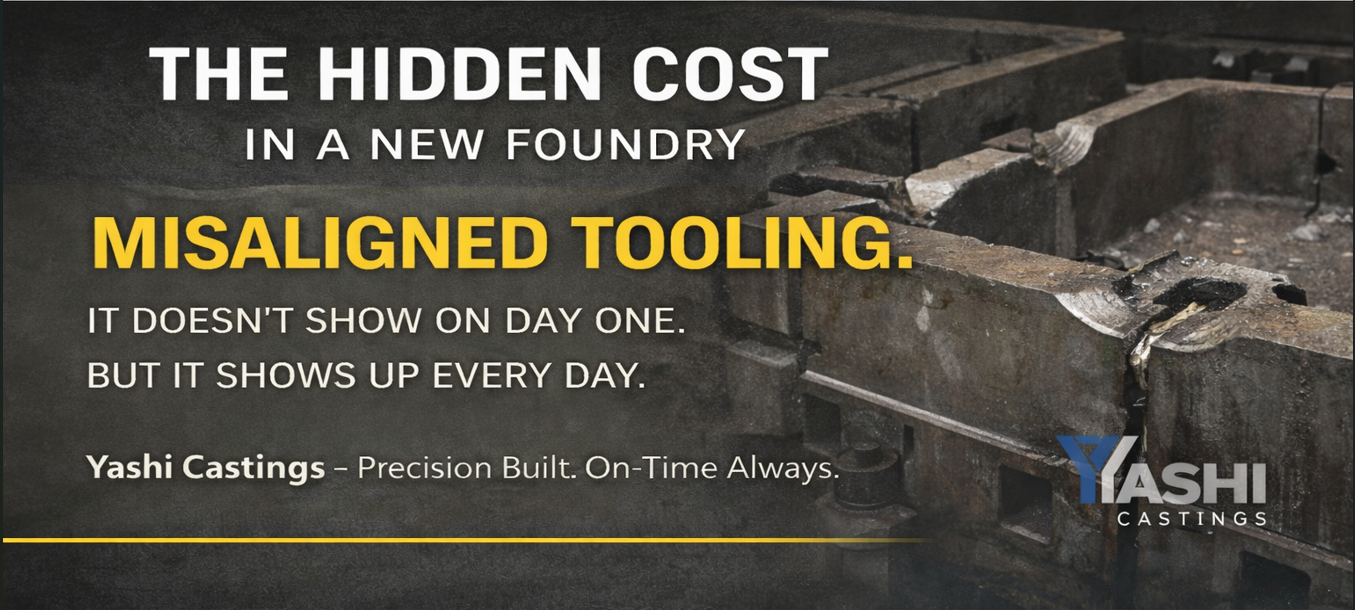
The Hidden Cost Nobody Calculates in Misaligned Tooling in Foundry Operations
When a new foundry begins production, everything initially appears organized.
Machines are calibrated.
Layouts are optimized.
Operators are trained.
Yet within a few months, subtle problems begin to appear:
• Minor mismatch between cope and drag
• Increasing flash on castings
• Higher fettling time
• Pattern wear occurring earlier than expected
• Cycle time inconsistencies
• Rework slowly increasing
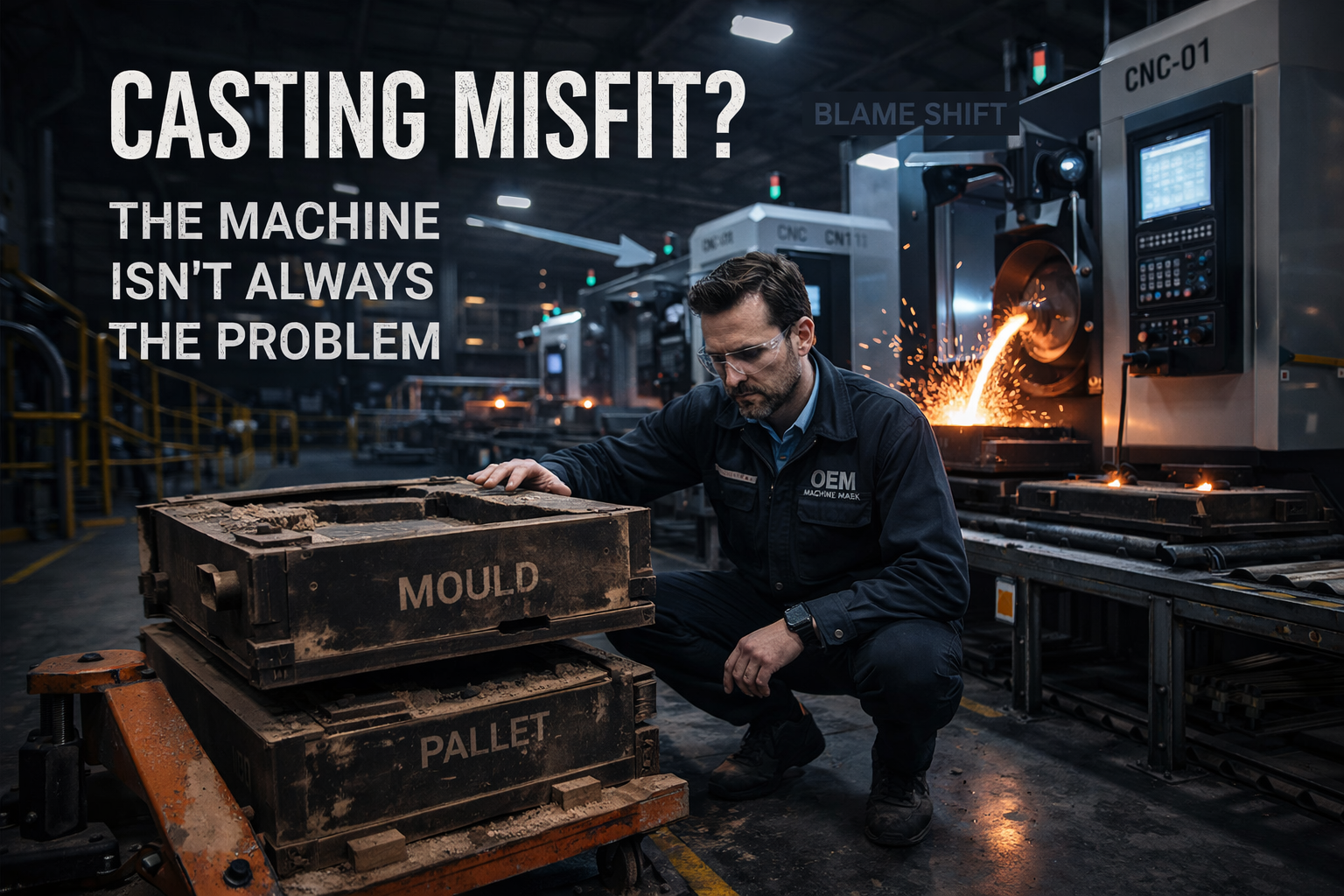
Most production teams assume these issues are related to process control.
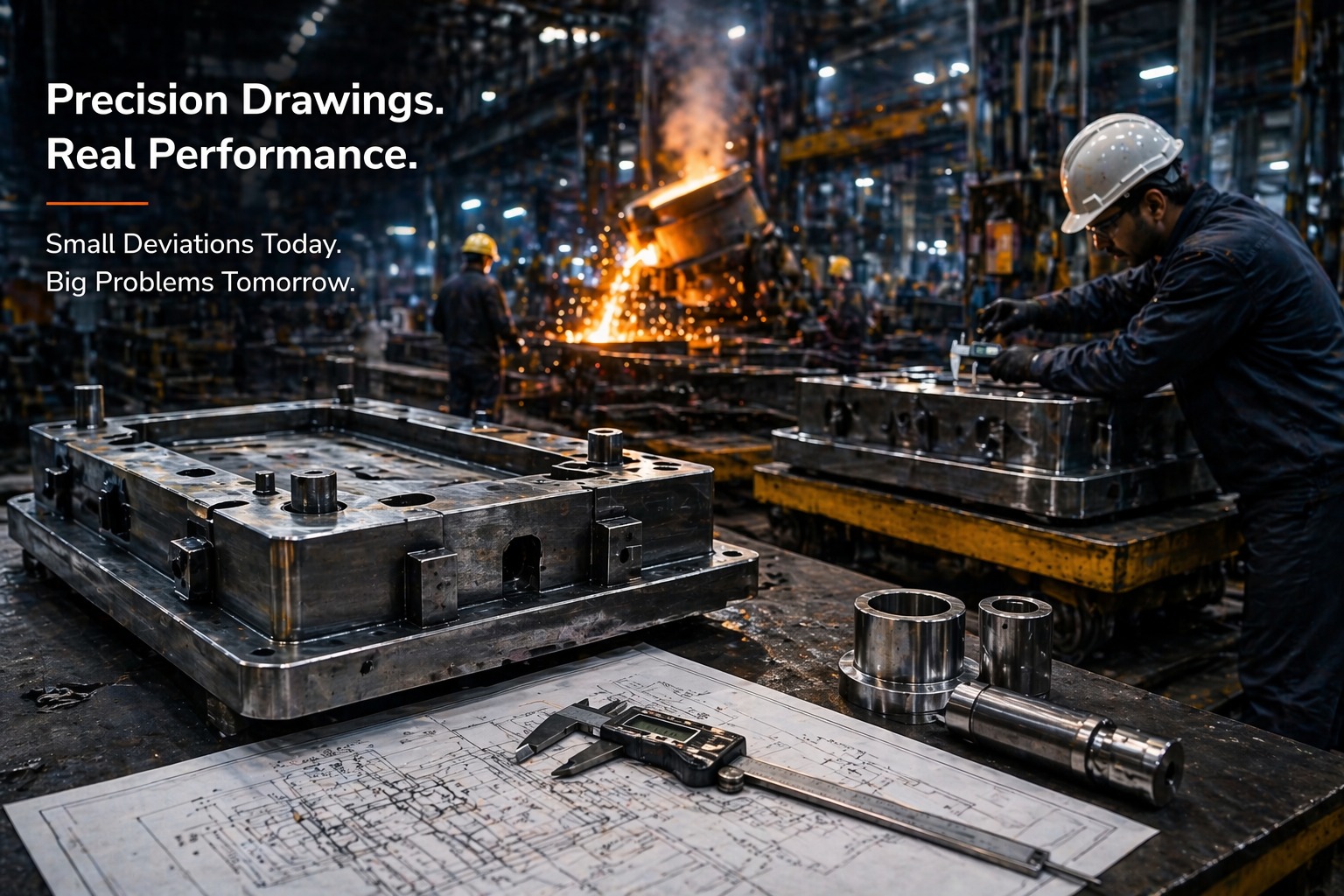
Very few investigate the alignment and machining precision of mould boxes and pallet cars.
And that is where the hidden cost of misaligned tooling in foundry systems begins.
Precision Tooling Is Not a Luxury — It Is the Foundation
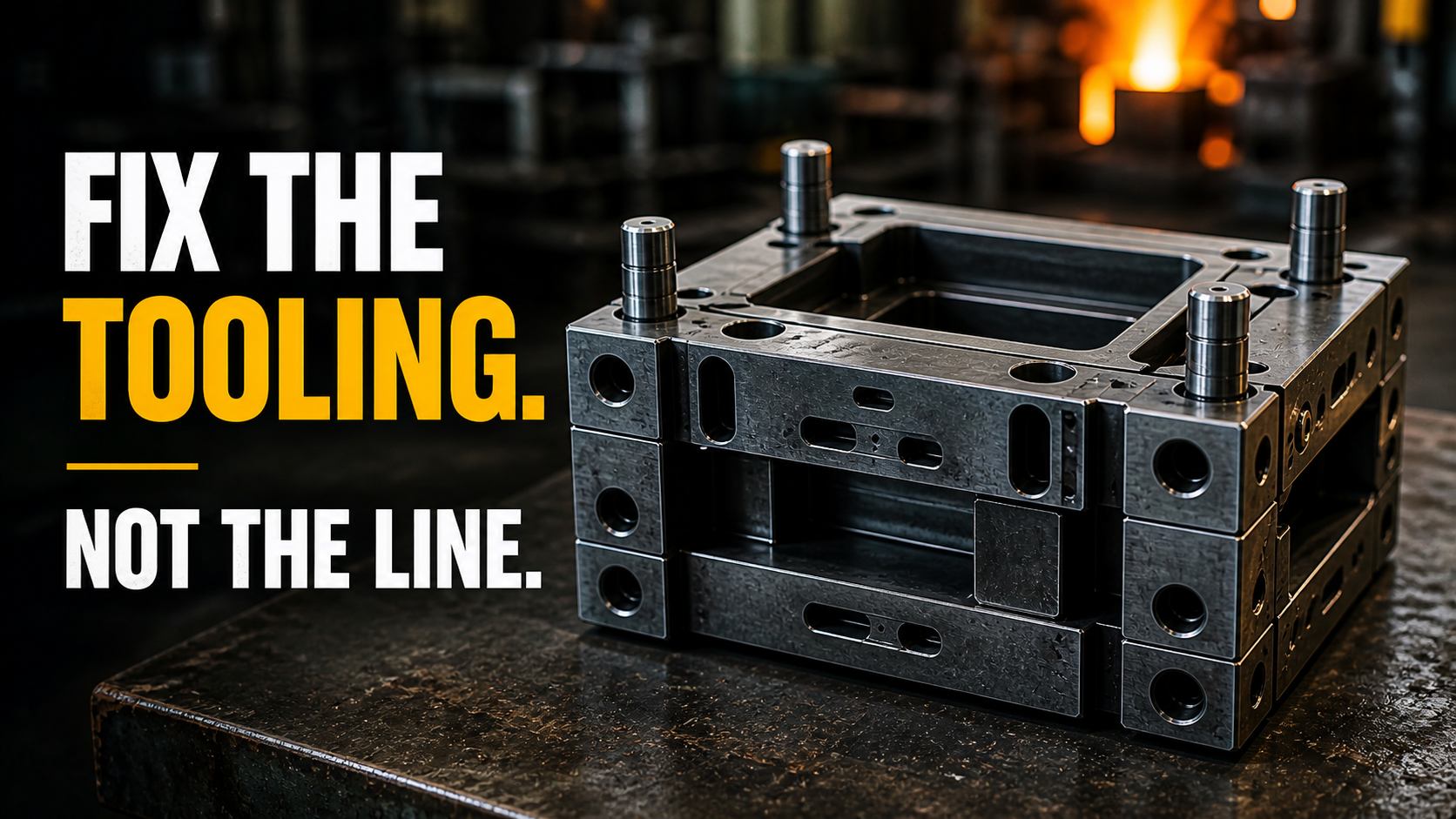
In a modern moulding line, mould boxes for foundry operations act as precision reference systems.
They control the positional accuracy of every mould produced.
If the tooling system has even small inaccuracies such as:
• Pin centers not perfectly concentric
• Flanges not parallel within tolerance
• Bushes wearing prematurely
• Structural rigidity compromised
• Pallet cars misaligned with the moulding line
Then even the most advanced moulding machines cannot compensate.
The result is gradual instability in the production process — a common consequence of misaligned tooling in foundry environments.
The Cost Appears Slowly — But It Is Real
The biggest challenge with tooling misalignment is that the cost does not appear immediately.
It accumulates silently across production cycles.
Over time, foundries begin to experience:
✔ Reduced productivity
✔ Higher rejection rates
✔ Increased fettling operations
✔ Operator frustration on the shop floor
✔ Reduced machine efficiency
✔ Delayed break-even for the project
This is why experienced planners treat precision mould boxes for foundry moulding lines as capital infrastructure — not simple fabrication work.
Avoiding misaligned tooling in foundry setups is essential for maintaining long-term operational stability.
What Strong Foundries Do Differently
Foundries that achieve stable operations approach tooling differently.
They invest in:
• Precision-machined mould box flanges with true parallelism
• Accurate pin center drilling
• Hardened bushes engineered for long wear life
• Structural rigidity designed for decades of operation
• Compatibility with specific OEM moulding lines
Because experienced operators understand one important principle:
Zero rejection does not begin at inspection.
It begins at alignment.
A Real Example from a Modern HPML Foundry
In a recent high-pressure moulding line project, correct tooling design and alignment played a crucial role in achieving a stable first pour.
You can read the detailed case study here:
👉 HPML Foundry Tooling Case Study – Enabling a Successful First Pour
Projects like these reinforce an important lesson.
When precision tooling is engineered correctly from the beginning, operational stability follows naturally.
Continue the Series
This article builds on our earlier discussion:
👉 The Costliest Mistake in a New Foundry
In the next edition of Casting Confidence, we will explore:
Why “Zero Rejection” Is a Design Philosophy — Not a Quality Slogan.
Final Thoughts
Across hundreds of foundry projects, one insight remains consistent.
A foundry’s long-term profitability is determined not just by the machines it installs — but by the precision of the tooling systems supporting them.
When mould boxes and pallet cars are engineered correctly, the entire production ecosystem becomes more stable, efficient, and predictable.
Avoiding misaligned tooling in foundry operations is therefore one of the most important strategic decisions during the planning stage.
Let’s Build Foundries That Last
At Yashi Castings, we specialize in precision-engineered tooling solutions for modern foundry operations.
If you are planning a new foundry or expanding your moulding line, we would be happy to discuss how the right tooling design can support your long-term success.
Or
Contact Us – Click Here